
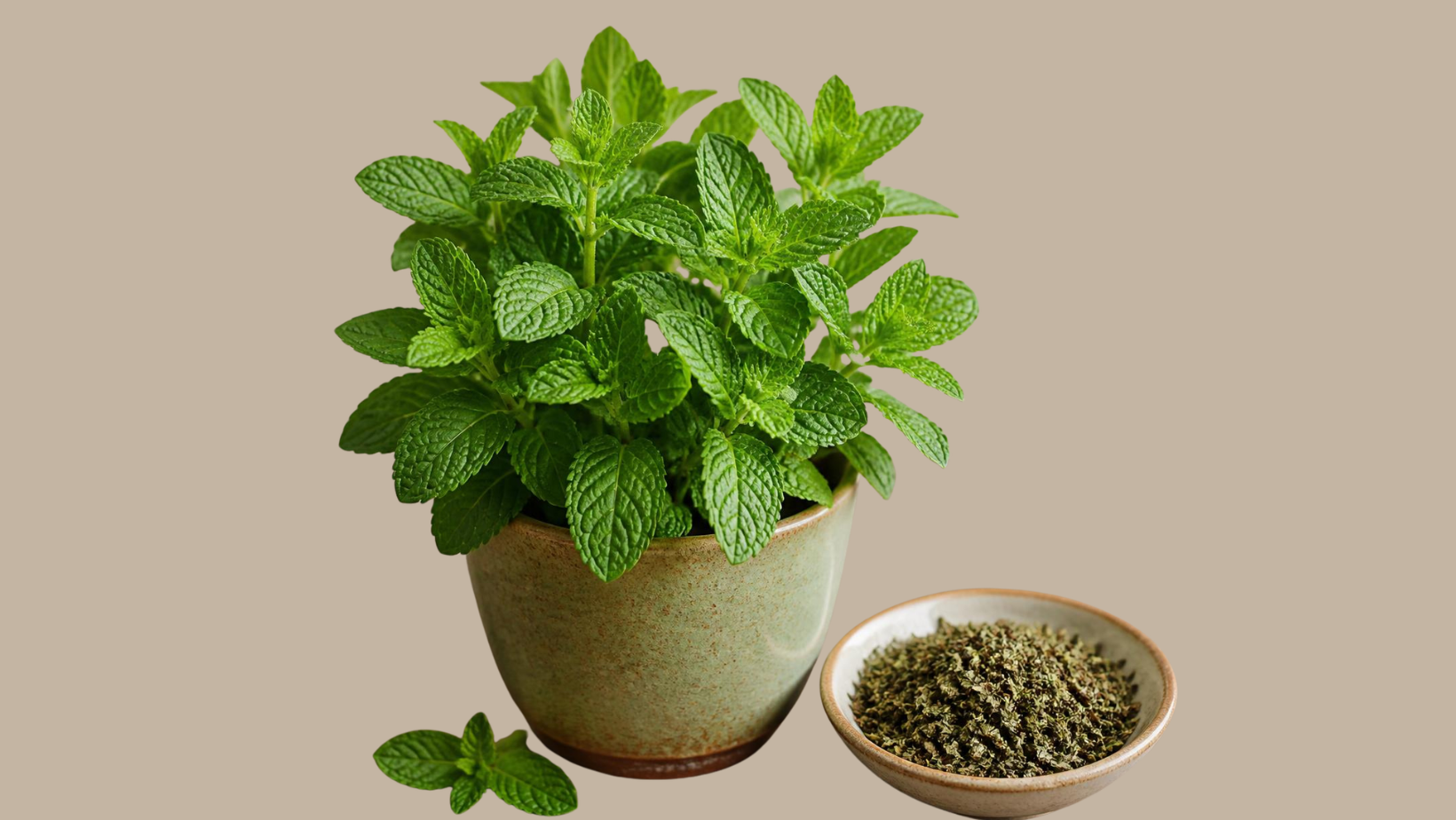
Peppermint (Mentha x piperita L.)
Peppermint: A Versatile Herb for Everyday Wellbeing
Written by Noel Williams – Published 1 November 2026
We All Know Mint, But How Much Do We Really Know About This Remarkable Herb?
Perhaps you think of mint as
- A refreshing infusion or tea
- A distinctive and uplifting aroma
- A familiar herb associated with digestive comfort.
All of these are familiar aspects of mint, but there is much more to this versatile herb than first meets the eye.
In this blog, we’ll explore peppermint’s botanical identity, its traditional uses and place in herbal medicine, what modern research tells us, and the safety considerations worth understanding. I’ll also share how I approach this familiar herb in my own herbal practice.
As an award-winning qualified herbalist and naturopath, I’m delighted to share my exploration of this versatile herb with you, but before we explore peppermint in more detail, I’d like to acknowledge that we all have different perspectives on health and wellbeing. Some may favour natural health therapies and philosophies, while others may prefer conventional medicine and pharmaceutical approaches.
Wherever you stand, my hope is that these articles offer an opportunity to explore the world of herbs with an open mind, appreciating their traditional place in herbal medicine alongside what modern research can tell us.
Throughout this series, I aim to share information in a balanced and considered way, respecting traditional herbal knowledge while remaining mindful of the evidence available.
With this in mind, let’s begin by getting to know peppermint a little better, starting with its botanical identity, origins and defining characteristics.
Botanical Classification
Common name: Peppermint
Botanical name: Mentha × piperita L.
Family: Lamiaceae (the mint family)
Part used: The leaves are commonly used in herbal infusions and other herbal preparations. The essential oil is obtained by distillation of the plant’s aerial parts, particularly the leaves and flowering tops.
Country of Origin and Distribution
Peppermint’s precise origins remain uncertain, although it is now cultivated commercially in many parts of the world, including Europe, Asia and North America.
Related Species
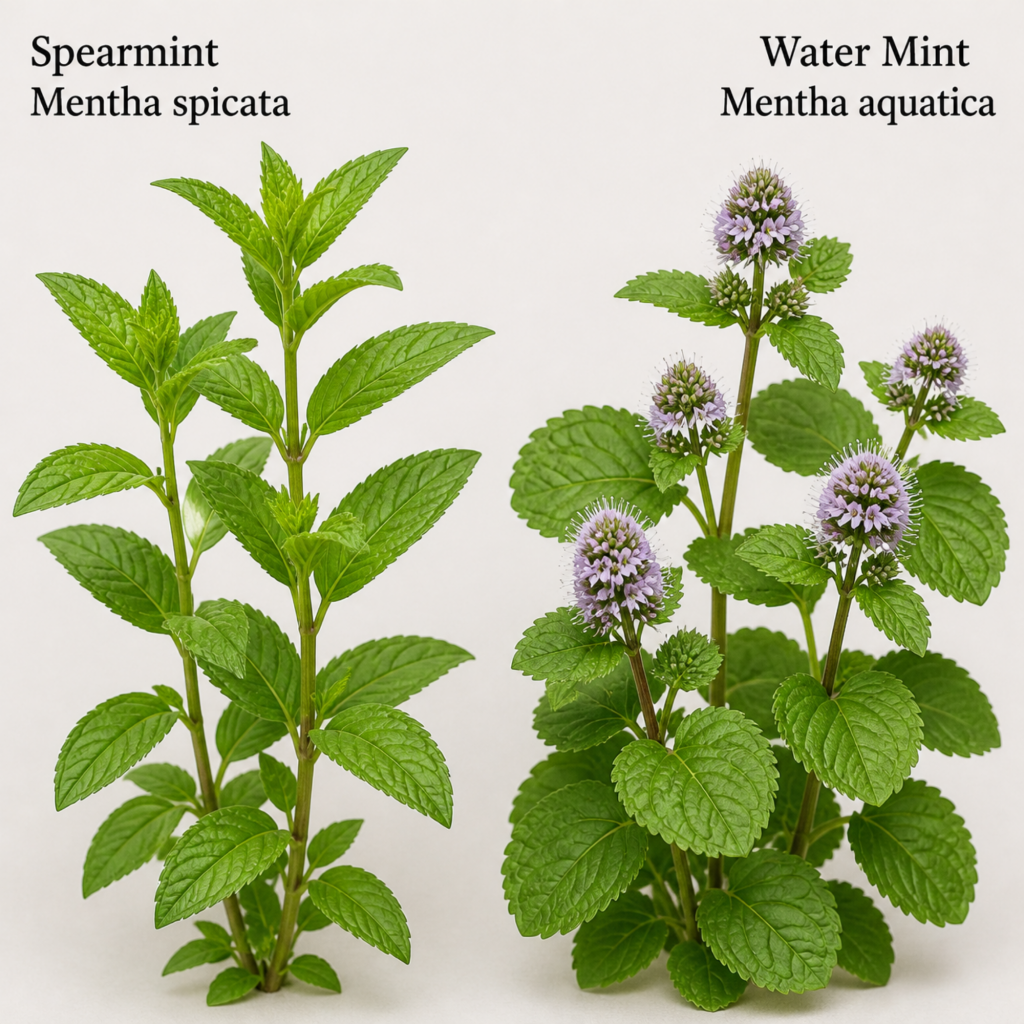
Peppermint is a hybrid of Water Mint (Mentha aquatica) and Spearmint (Mentha spicata). Although these related plants share some characteristics, their chemical compositions and traditional uses can differ.
Folklore and Historical Background
The name Mentha is traditionally associated with Mintha (also spelled Minthe or Mentha), a figure from Greek mythology. In one version of the story, Mintha was a nymph associated with the river Cocytus. Mintha was transformed into a mint plant following a conflict involving Persephone, the wife of Hades. Different ancient accounts tell the story in different ways.
The species name piperita derives from the Latin piperitus, meaning pepper-like, and refers to peppermint’s distinctive pungent taste and aroma.
Traditional Uses
Peppermint has a long history of use in herbal medicine, particularly for digestive discomfort, as a carminative to help relieve wind and bloating, and as an antispasmodic to ease digestive cramping and griping.
Peppermint has also been used in certain preparations associated with coughs and colds, as well as in suitable topical preparations for localised muscle discomfort and itching.
Modern Uses and Research
Modern research has focused particularly on peppermint essential oil and its antispasmodic action on the smooth muscle of the digestive tract.
Research has examined certain oral peppermint oil preparations for their potential to relieve minor gastrointestinal spasms, abdominal pain and flatulence, particularly in people with irritable bowel syndrome (IBS).
Studies have also investigated peppermint oil applied to the forehead and temples for mild headaches. Separately, certain peppermint oil preparations have traditional uses for localised muscle discomfort and itching, as well as symptoms associated with coughs and colds. The strength of the clinical evidence varies between these applications, and some are supported primarily by traditional use rather than robust clinical research.
The evidence varies according to the preparation, route of administration and intended use. Findings relating to peppermint essential oil should not automatically be applied to mint leaf infusions or other preparations.
Constituents
Peppermint contains a range of naturally occurring plant compounds, the composition of which varies according to the plant material, growing conditions and preparation.
Volatile oil (essential oil): Contains menthol and menthone as major constituents, alongside other compounds, including menthyl acetate, 1,8-cineole and limonene.
Phenolic compounds: Including rosmarinic acid and other phenolic acids, together with flavonoids such as luteolin derivatives.
These constituents contribute to peppermint’s characteristic aroma and form part of the scientific interest in the plant. Their proportions vary, and the composition of the essential oil differs from that of the whole leaf.
Key Herbal Actions
Peppermint is particularly valued in herbal practice for its carminative and antispasmodic actions, which help explain its traditional use for digestive discomfort.
- Carminative: Traditionally used to help relieve wind and bloating.
- Antispasmodic: Helps relax smooth muscle and may ease digestive cramping and spasms.
- Analgesic: Certain peppermint oil preparations have been studied for relief of mild headaches and are also traditionally used for localised muscle discomfort.
- Decongestant and antitussive: Suitable peppermint oil preparations have a traditional use in relieving symptoms associated with coughs and colds.
- Antipruritic: Suitable topical peppermint oil preparations have a traditional use for relieving localised itching on intact skin.
The relevance of each action depends on the preparation used. Evidence relating to peppermint essential oil should not automatically be applied to mint leaf tea or other forms of the herb.
Pharmacology
Peppermint contains volatile oils, particularly menthol and menthone, which contribute to its characteristic aroma and therapeutic properties. The oil is known for its antispasmodic action, helping to relax smooth muscle in the digestive tract, while menthol produces a cooling sensation when applied to the skin, which may help relieve localised discomfort.
Safety, Precautions and Interactions
Although peppermint is a familiar culinary herb, its medicinal preparations require some consideration, particularly when using concentrated essential oil.
Digestive conditions
Peppermint leaf preparations may aggravate gastro-oesophageal reflux (GORD) and heartburn. People with these symptoms should avoid peppermint leaf preparations if they worsen their condition.
People with gallstones or other biliary disorders should seek appropriate professional advice before using peppermint medicinally. Certain oral peppermint oil medicines intended for digestive complaints are not suitable for people with these conditions.
Essential Oil Safety
Peppermint essential oil is used in flavourings, cosmetics and some medicinal products. However, its safety depends on the concentration, formulation and intended use.
Essential oil should not be swallowed undiluted or used internally unless it is a product specifically formulated for that purpose. It may cause skin irritation or allergic reactions, and particular care is needed around the face and nose of infants and young children, as menthol can affect breathing.
Always follow the instructions for the specific preparation.
Pregnancy and breastfeeding
Peppermint in amounts commonly found in food is generally considered different from medicinal use. There is insufficient information to establish the safety of medicinal amounts of peppermint in all circumstances during pregnancy and breastfeeding. Seek advice from a qualified healthcare professional before using medicinal preparations during these periods.
Medicines and Interactions
The EMA assessment reported no interactions for peppermint leaf preparations. However, this should not be interpreted as proof that interactions are impossible with every peppermint product.
If you take prescribed medicines or use other herbal preparations, check for relevant precautions with an appropriate healthcare professional before introducing medicinal mint products.
When to seek advice
Consult a healthcare professional if symptoms persist, worsen or are accompanied by other concerning symptoms. Always follow the specific instructions and precautions supplied with a medicinal product.
How I Use Peppermint in My Practice
Throughout my life, long before becoming a herbalist, mint has been a familiar and valued herb. I’ve often used it in cooking and enjoyed its refreshing aroma when I’ve had a cold.
Today, peppermint features in many of my herbal formulae. Depending on the individual’s needs and the preparation selected, I may include it in blends intended to support digestive comfort, address individual constitutional needs and help balance excess heat. I use peppermint in both internal and topical preparations, taking into account the circumstances and the suitability of each preparation.
I also value peppermint as one of many herbs that may have a place in a broader herbal approach to wellbeing, including during the colder months when coughs and colds are more common. Depending on the individual’s needs, I may combine it with herbs such as yarrow (Achillea millefolium), echinacea (Echinacea angustifolia) and elder (Sambucus nigra), among others. The herbs selected, and the preparations used, depend on the individual and the aims of the consultation.
For me, peppermint is a wonderful example of how a familiar everyday herb can have a valued place in traditional herbal practice and continue to capture our interest today. It also reminds us that a plant’s uses can vary considerably depending on how it is prepared and used.
Discover Peppermint for Yourself
If you’d like to get to know peppermint a little better, why not add some dried peppermint leaf to your herbal cupboard? Its fresh, distinctive flavour makes it a lovely herb to explore as an infusion, as well as an ingredient in the kitchen.
You can enjoy 20% off dried peppermint leaf throughout November.
It’s a lovely opportunity to discover more about this versatile herb and its place in everyday life.
Interested in a Personalised Herbal Consultation?
Every individual is different, and my work as a herbalist reflects this. If you’d like to explore how herbal medicine and nutritional therapy might fit into your own wellbeing journey, you’re welcome to discover the therapies available at Wellth & Wild.
During a consultation, I take account of your individual circumstances, health history and wellbeing goals to consider a personalised approach suited to your needs.
Explore our consultation options
Wellth & Wild is based at The Fold, in Bransford, Worcestershire. You can find our contact details and directions on our Contact page.
A Note to Readers
The information in this article is provided for educational purposes and reflects traditional herbal knowledge, available research and my perspective as a herbalist. It is intended to encourage informed exploration of the subject, rather than provide individualised healthcare advice. Herbs and herbal preparations can have different effects depending on the plant, preparation, individual circumstances and how they are used. Information about traditional use or research should not be taken as a guarantee of a particular outcome.
If you are considering using herbs alongside prescribed medicines or other treatments, or have an existing health condition, are pregnant or breastfeeding, seek advice from an appropriately qualified healthcare professional who can consider your individual circumstances. The information here is not intended to replace personalised healthcare advice or to encourage anyone to discontinue prescribed medication or an existing treatment plan without consulting the healthcare professional responsible for their care.
References and Further Reading
Chevallier, A. (2016). Encyclopedia of Herbal Medicine: 550 Herbs and Remedies for Common Ailments. 3rd edn. London: Dorling Kindersley.
European Medicines Agency (EMA) (2020). Assessment report on Mentha x piperita L., folium and aetheroleum – Revision 1. Available at: EMA website (Accessed: 22 October 2026).
European Medicines Agency (EMA) (2020). European Union herbal monograph on Mentha x piperita L., folium – Revision 1. Available at: EMA website (Accessed: 22 October 2026).
Marciano, M. (2015). Mentha piperita. The Naturopathic Herbalist (Accessed: 22 October 2026).
McIntyre, A. (2019). The Complete Herbal Tutor. Revised & Expanded Edition. London. AEON.
Menzies-Trull, C. (2013). Herbal Medicine: Keys to Physiomedicalism including Pharmacopoeia. 2nd edn. Newcastle. Faculty of Physiomedical Herbal Medicine [Publications].
National Center for Complementary and Integrative Health (NCCIH) (2025). Peppermint Oil. Available at: NCCIH website (Accessed: 22 October 2026).
Pedersen, M. (2010). Nutritional Herbology: A Reference Guide to Herbs. Warsaw, IN: Whitman Publications.
The Association of Naturopathic Practitioners (ANP). (n.d.). Naturopathic Herbal Medicine. Available at: https://theanp.co.uk/therapies/herbal-medicine/ (Accessed: 26 October 2026).